
From Floor Plan to First Bite: The Ideal Layout for Fast-Casual Restaurants


Why Layout Is a Make-or-Break for Fast-Casual Success

Fast-casual dining thrives on speed, convenience, and customer satisfaction. From the moment a guest steps inside to the time they savor their first bite, the restaurant's layout shapes their experience. A well-designed space isn't just about aesthetics; it's about streamlining traffic flow, enhancing kitchen efficiency, and ensuring customers leave happy.

At HDA Architects, we specialize in crafting layouts tailored to the specific needs of fast-casual restaurants. Our designs don't just look good; they work hard to optimize operations and boost brand perception.

Understanding the Flow: Why Customer Pathways Matter

The customer's path through your restaurant sets the tone for their experience. Every transition, from entry to ordering, should feel seamless and intuitive. To achieve this, an optimized layout incorporates these features:

  • Clear sightlines from the entrance to the ordering counter ensure new visitors know exactly where to go.
  • Defined queueing areas that stay clear of dining spaces minimize congestion during busy periods.
  • Effortless transitions between pickup zones and seating areas provide customers with a stress-free dining process.

Did You Know? Customers regularly overestimate how long they've waited, research suggests by as much as 36%. A well-designed layout that signals where to go and what to expect next can meaningfully close that gap.

When planning layouts, our team focuses on reducing bottlenecks and guiding foot traffic intentionally. Discover more about how we design for customer comfort in our restaurant architects overview page.

Kitchen Design: The Back-of-House Engine

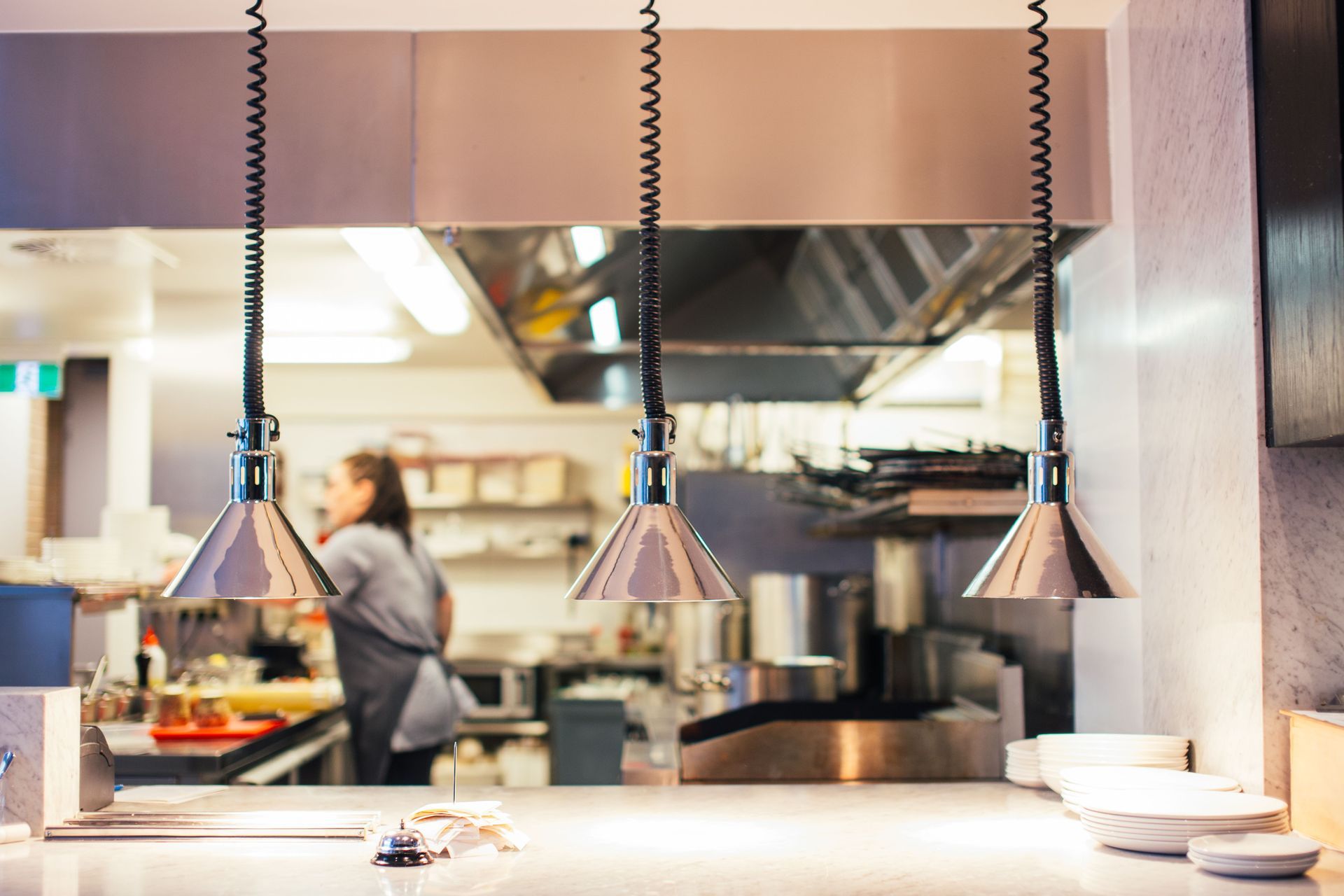
An efficient kitchen is the backbone of any fast-casual restaurant. A poorly planned back-of-house space can result in slower service times, increased errors, and higher stress for staff. The best kitchen layouts are designed to support high-volume service without sacrificing food quality.

Key Elements of a Smart Kitchen Layout

  • Workstation zoning separates food prep, cooking, plating, and dishwashing for seamless workflow.
  • Minimized cross-traffic between staff areas reduces accidents and delays during peak periods.
  • Direct kitchen-to-counter access ensures freshly prepared dishes quickly reach customers.

Our designs also incorporate health code compliance, proper ventilation, and scalability for future growth. Learn more about how we prioritize functionality in our hospitality design services.

Front-of-House Focus: Customer Comfort and Brand Expression

The dining area isn't just a place to sit and eat; it's where your brand's personality shines. A well-thought-out front-of-house layout balances functionality with atmosphere, ensuring customers feel comfortable and connected to your brand.

Dining Area Design That Works as Hard as Your Kitchen

  • Flexible seating options , including booths, high-tops, and outdoor spaces, cater to solo diners and groups alike.
  • Strategically placed service stations , such as trash bins, utensils, and drink dispensers, make dining more convenient.
  • Lighting and acoustics tailored to your vibe encourage customers to enjoy their experience, whether they're dining in or grabbing to-go.

Did You Know? Research on restaurant table management shows that spatial placement directly affects wait times and seat turnover, meaning your floor plan is an operational tool, not just an aesthetic one.

Our layouts ensure ample space without compromising efficiency, creating environments where guests feel welcomed and relaxed.

Tech-Driven Design for Modern Dining

Technology is transforming the fast-casual industry, and your restaurant's layout should reflect this evolution. When integrated early in the design process, tech features not only improve efficiency but also enhance the customer experience.

Must-Have Tech Features

  1. Self-service kiosks streamline ordering and reduce wait times.
  2. Digital menu boards allow for dynamic pricing and easy updates.
  3. Dedicated pickup zones or cubbies support online orders and delivery services.

These aren't add-ons, they're infrastructure for how your customers already want to order.

Let's Talk About Your New Happening Place!

A fast-casual restaurant layout isn't just about placing furniture and equipment; it's a strategic plan that impacts your brand, efficiency, and profitability. By focusing on intuitive pathways, efficient back-of-house designs, and modern tech integration, you can create a space where customers feel valued and staff can thrive.

Did You Know? Restaurants that invest in professional layout planning often see ROI gains of 10% or more in their first year, with benefits like faster service times and higher customer satisfaction.

At HDA Architects, we bring industry-leading expertise to every project, helping fast-casual brands design spaces that serve their unique goals. Contact us to start designing your next restaurant today!

Frequently Asked Questions

What is the best layout for improving customer flow in fast-casual restaurants?

The best layout for enhancing customer flow includes clear sightlines to the counter, defined queueing areas, and smooth transitions between pickup zones and seating. This ensures efficiency and reduces perceived wait times, keeping customers happy and moving.

How can lighting impact the dining experience in fast-casual restaurants?

Proper lighting can set the mood, enhance brand identity, and improve the overall customer experience. For example, warm lighting creates a welcoming atmosphere, while adjustable options ensure functionality during different service times.

HDA Architects

Veterinary Portfolio

From general practice to specialty critical care — see how HDA designs veterinary environments that work as hard as the teams inside them.

✓ General & specialty clinics   

✓ Critical care & emergency 

✓ Floor plans & photography

Download Portfolio

SHARE THIS

Latest Posts

By HDA Architects June 10, 2026
Medical and dental offices look similar but are built very differently. An architect breaks down the design choices that affect cost, workflow, and patient care.

By Pete Hill May 12, 2026
Discover the latest trends in veterinary clinic design, from calming spaces and eco-friendly materials to cutting-edge technology and AI integration. Perfect for vet professionals looking to enhance their facilities and pet owners seeking stress-free visits.
blueprints
April 15, 2026
Learn about industrial architecture and how it supports manufacturing, logistics, and warehousing. Learn about HDA Architects' approach to efficient and scalable designs.
Iconic Structures
By HDA Architects May 20, 2025
Explore the storytelling power of iconic structures. Learn about how architecture reflects culture, history, and creativity, and learn how your building can tell a unique story.
By Click Ready May 20, 2025
When it comes to healthcare, the environment of a medical office often plays a significant, yet underestimated, role in the patient experience. Thoughtful medical office design not only supports the comfort and well-being of patients but also improves operational efficiency for healthcare providers. Every element—from lighting to layout—is an opportunity to create an environment where […] The post Medical Office Design That Puts Patients First appeared first on HDA Architects.
Tan stucco shopping plaza with brick accents, storefront awnings, and empty parking lot under a blue sky
By HDA Architects May 20, 2025
Explore the art of designing food service & brewery spaces. Contact us for innovative architectural solutions.
Show More