How Architects keep Your Building Water Proof


Keeping Your Building Water Proof

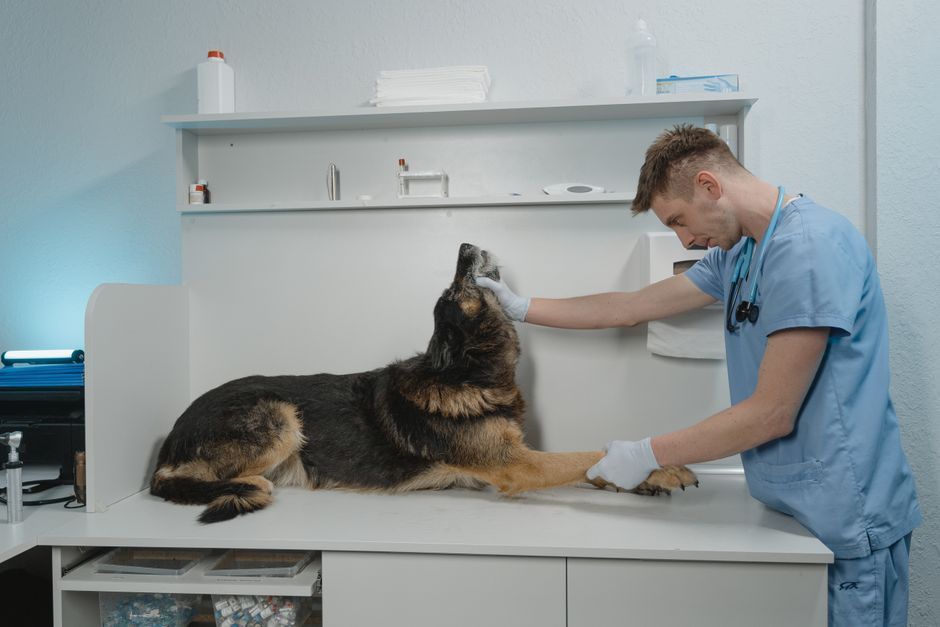
This week's blog is about a problem that doesn't occur very often but EVERY TIME it does occur… it is a BIG problem. I'm talking about maintaining good vertical separation between the floor of your building and the surrounding grade around the building. We just had an exquisite veterinary hospital open in Gastonia, North Carolina. The building is absolutely immaculate, except after it rained, three rooms along the north side of the building would have a wet floor. The first time this happened, the contractor pointed to the gutters as the culprit. It appeared that more water was over-topping the gutter than was running down the downspouts. With the idea that this recent rain was a result of a near miss from a hurricane, we knew this was an unusual and immense amount of water. The owner cleaned the gutters and we all thought the problem was solved.

Within a couple of months, the building once again experienced a heavy rain, and once again we had wet floors. This time we knew it wasn't full gutters making a mess inside, it was something else. The contractor reviewed the site again and speculated that it was because the grade was sloping slightly towards the building in this particular area. It also bears to mention that a sidewalk ran along this side of the building some 5' away from the face of the building which created a barrier for water to run away, causing water to pool right next to the building. The decision was made to create slope in this little island by making the grade at the building face the high point and sloping it down towards the elevation of the sidewalk, allowing the water to run over the sidewalk.

t just so happens that HDA Architects was going back up to this hospital to shoot some photography. When we examined the area, the entire problem was not only as plain as the nose on your face, it was also very well hidden in plain sight. The contractor who had poured the sidewalk had poured it too high. It was at least level with, if not slightly higher than, the indoor floor slab. To make matters worse, the landscaping crew had come in and piled a bunch of dirt up against the building to create positive slope. This is exactly what created the problem. By code, and per the plans, the ground must be 6″ below the floor slab on all sides.

What was happening was the ground was becoming saturated with liquid water during heavy rains. These saturated soils were piled up about four inches higher than the elevation of the floor slab. The water simply found the path of least resistance, which actually went through the exterior wall and into the building. I said this was as plain as the nose on your face because it is easy to check and make sure that the outside grade is lower than the floor. However, if no one is checking these things, it is very easy for a grading or landscaping contractor to come in at the end of the project and make minor grading adjustments. If they are not careful they can push the grade above the floor line. If that happens water will come into the building. There is simply no stopping it.

These are the kinds of issues we catch on behalf of our clients, helping make every project stronger from the ground up. That’s the value of working with an experienced animal hospital design team and a firm guided by a thoughtful architectural planning process.

HDA Architects

Veterinary Portfolio

From general practice to specialty critical care — see how HDA designs veterinary environments that work as hard as the teams inside them.

✓ General & specialty clinics   

✓ Critical care & emergency 

✓ Floor plans & photography

Download Portfolio

SHARE THIS

Latest Posts

blueprints
April 15, 2026
Learn about industrial architecture and how it supports manufacturing, logistics, and warehousing. Learn about HDA Architects' approach to efficient and scalable designs.
Iconic Structures
By Click Ready May 20, 2025
Explore the storytelling power of iconic structures. Learn about how architecture reflects culture, history, and creativity, and learn how your building can tell a unique story.
By Click Ready May 20, 2025
When it comes to healthcare, the environment of a medical office often plays a significant, yet underestimated, role in the patient experience. Thoughtful medical office design not only supports the comfort and well-being of patients but also improves operational efficiency for healthcare providers. Every element—from lighting to layout—is an opportunity to create an environment where […] The post Medical Office Design That Puts Patients First appeared first on HDA Architects.
By Click Ready May 20, 2025
Creating the perfect space for food service establishments and breweries is both a creative endeavor and a technical challenge. It requires balancing aesthetics, functionality, and customer experience to craft environments that are as efficient as they are inviting. At HDA Architects, we specialize in designing these spaces to reflect our clients’ brands while meeting the […] The post Designing for Taste: The Art and Science of Food Service and Brewery Architecture appeared first on HDA Architects.
By Click Ready May 20, 2025
Building a veterinary clinic isn’t just about creating a structure—it’s about designing a space that brings excellent care, comfort, and efficiency. But what happens if you hire the wrong architect? The consequences can include everything from exorbitant costs to operational nightmares and long-term stress. To ensure your clinic’s success, knowing the risks of hiring an […] The post Avoid Costly Mistakes: Risks of Hiring the Wrong Veterinary Clinic Architect appeared first on HDA Architects.
By Click Ready March 10, 2025
Explore how art enhances commercial architecture, boosting aesthetic appeal & emotional connections. Contact HDA Architects for innovative designs.
Show More