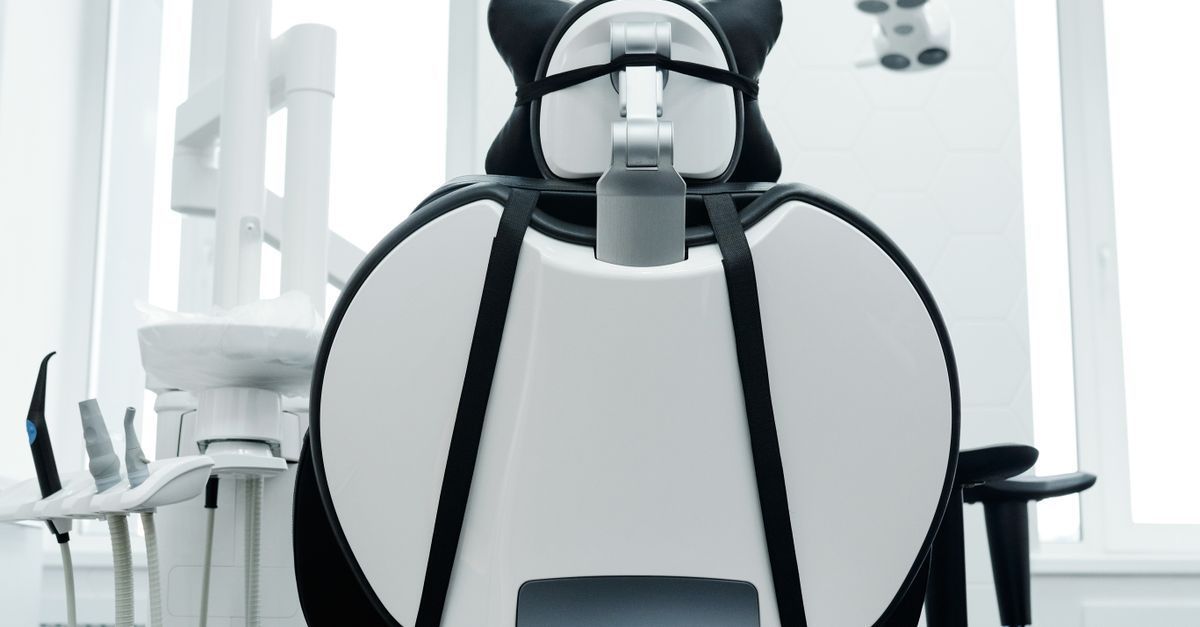
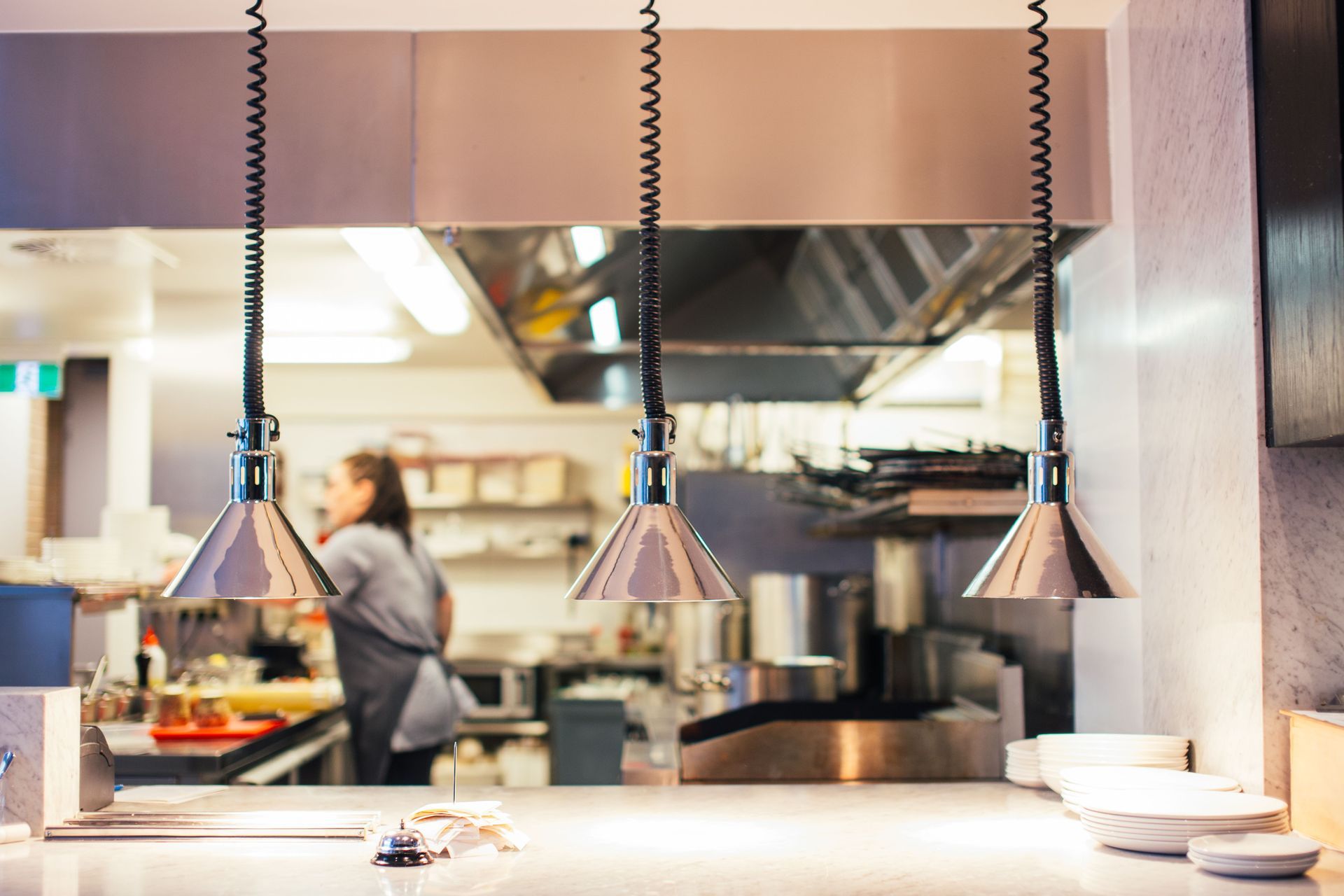
When you step into a commercial space—be it a sleek medical office, a bustling brewery, or a vibrant veterinary hospital—you’re likely to notice more than just walls and floors. The atmosphere, the aesthetics, and even the smallest artistic details combine to create an environment that speaks to its purpose. At the heart of this transformation is the seamless integration of art into the architectural framework.
Art and architecture have always shared a close relationship, but their union is especially impactful in the realm of commercial spaces today. The interplay between functionality and creativity creates not only visually stunning environments but also spaces that resonate emotionally with their occupants. By dedicating intentional thought to artistic elements in commercial architecture, businesses can achieve spaces that communicate their brand identity, attract customers, and foster positive experiences.
Aesthetic Value Beyond Functionality
Commercial architecture has historically been associated with utilitarian efficiency—buildings that simply do what they’re supposed to do. But as consumer expectations evolve, the demand for spaces that do more than function has reached an all-time high. Today, the aesthetic appeal of a building is a reflection of its brand and philosophy.
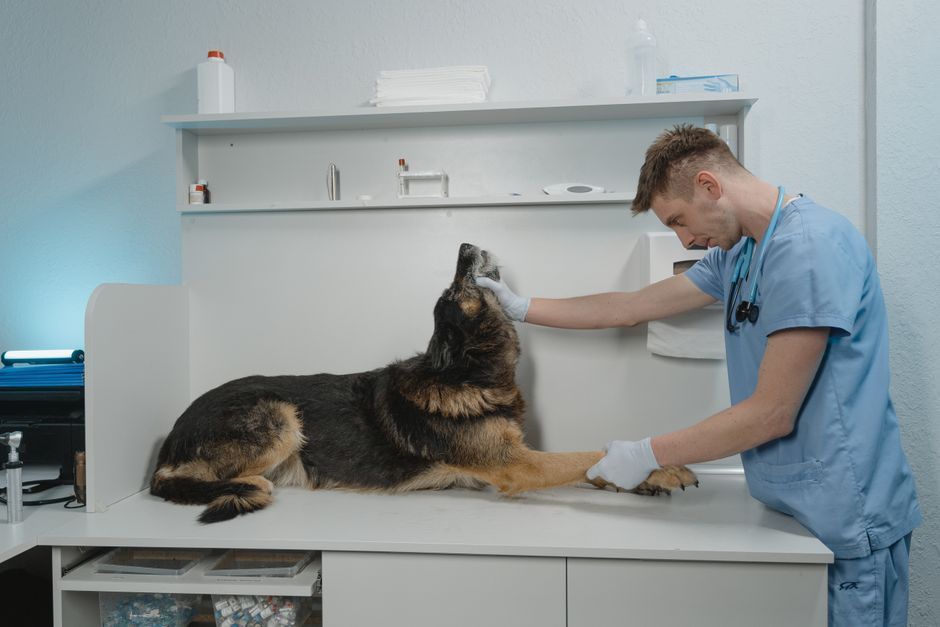
Take, for example, a high-end veterinary hospital. Through thoughtful use
proven design process, such a space can become welcoming for nervous pet owners and soothing for pets. A well-placed mural depicting calming pastoral scenes or the inclusion of organic shapes in furniture enhances the atmosphere by blending art with purpose.
Art doesn’t just add beauty; it makes spaces memorable. Vibrant textures, sculptural elements, lighting, and colors all work together to transform a sterile space into one that tells a story. HDA Architects excels in making sure these elements align seamlessly with their client’s vision, creating designs that are both functional and beautiful.
The Emotional Connection
One of the most overlooked yet important aspects of artistic integration in architecture is the emotional response it evokes. Visitors stepping into a space often make instant judgments based on how that space makes them feel. By using art purposefully, architects can influence these emotions, helping to establish trust, excitement, or tranquility.
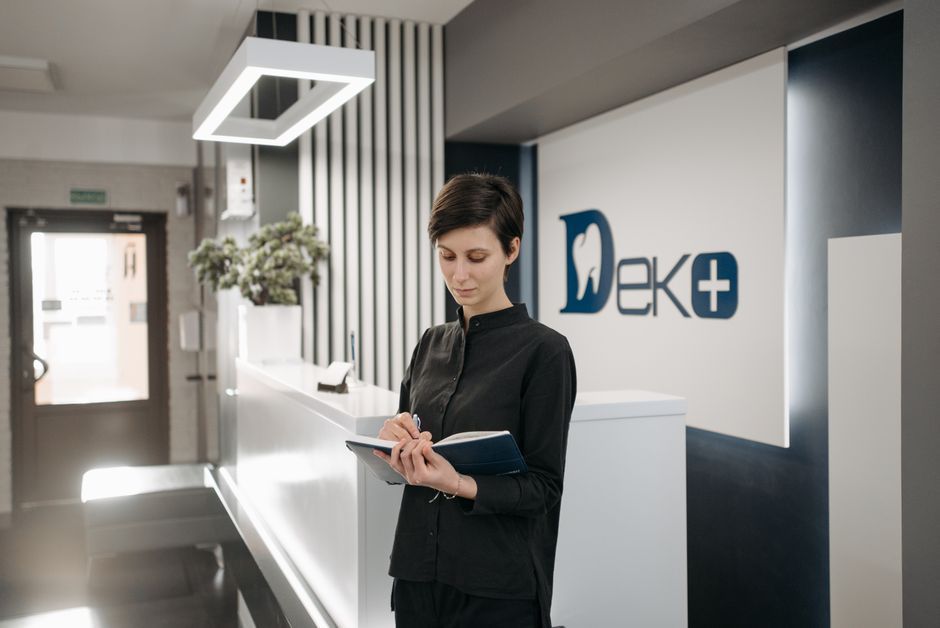
For example, in a medical office, abstract paintings with soft, cool tones might create an atmosphere of calm, helping patients feel more at ease. Alternatively, commercial kitchens and food service spaces, such as breweries, often benefit from bold, eye-catching features. A wall with industrial-inspired artwork or even custom-crafted lighting fixtures can energize the space, enhancing both the customer and employee experience.
The strategic inclusion of artistic elements demonstrates how architecture speaks to its audience, urging them to engage with the space beyond its basic utility.
Enhancing Brand Identity Through Art
For commercial clients, aligning the architecture with their brand identity is not just an aesthetic choice—it’s a business decision. Art bridges the gap between function and brand presentation. For HDA Architects, employing an artistic design that mirrors the essence of a brand makes sure that every space feels personalized.
Consider this example: A multi-family housing development targeting young professionals might incorporate vibrant, modern art installations in its common areas. This not only creates an inviting atmosphere but also highlights the property’s alignment with a trendy, contemporary lifestyle.
Similarly, veterinary and medical buildings can use local artwork or custom designs that reflect the community they serve, solidifying their place as a trusted institution. At HDA, building design considers these touchpoints, making sure every decorative choice serves a specific purpose.
Artistic Techniques in Architectural Design
The methods architects employ to intertwine art and architecture are varied but always intentional. Here are a few approaches that bring commercial spaces to life through creative design strategies:
Murals and Installations
Murals—whether abstract, nature-inspired, or storytelling—can serve as focal points in a space. Installations, ranging from hanging sculptures to interactive digital displays, also provide conversation-worthy design elements.
Lighting as Art
Architectural lighting is one of the most versatile tools for combining art with function. From statement chandeliers in dining areas to color-changing LED lights in waiting rooms, lighting transforms a space’s mood.
Material Choices
Exposing raw materials like concrete, reclaimed wood, and metal in creative ways can itself be an artistic decision. The use of unique textures and finishes in flooring and walls adds character and individuality.
Custom Furniture and Fixtures
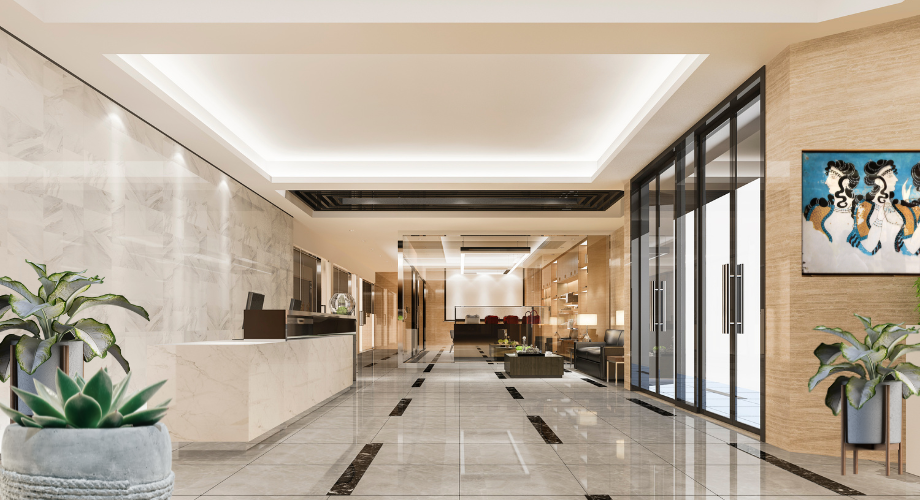
Furniture can blur the line between utility and artwork. Think of a reception desk shaped like a wave, made from layers of stained hardwood, or benches styled to resemble sculptures in a hotel lobby. These details enhance the design narrative without compromising functionality.
Case Study: Practical Success
To see the benefits of artistic architectural design in action, look no further than a veterinary hospital that partnered with HDA Architects. This space used art and architecture to make visits less intimidating, with warm wood tones, floor-to-ceiling windows bringing in natural light, and animal-themed artwork along walkways. Not only did clients feel more comfortable, but staff members also reported higher morale and pride working in the space. The project beautifully exemplified how a thought-out design makes everyone’s experience better.
Similarly, a food-service project—a brewery with a quick-serve tasting room—employed industrial themes enhanced by contemporary finishes and local art. By using bold interiors to match its craft brand, the space became synonymous with the beverage’s identity, attracting patrons who enjoyed both the beer and the surroundings.
Looking to the Future
Architects like HDA continue to lead the charge in redefining how art and architecture come together. Through careful planning, collaboration with artists, and a client-first design philosophy, more commercial spaces are raising the bar on what it means to blend creativity with purpose.
The intersection of art and architecture isn’t just an optional extra; it’s a necessary ingredient for creating spaces that endure. Commercial properties, from veterinary offices to food-service establishments, benefit almost instantly from the infusion of artistic elements.
Making this connection is more than just a trend—it’s a testament to the power of design to change how people interact with spaces. By choosing HDA Architects, businesses can make sure their space is not only functional and on-brand but also deeply inspiring.