What Makes a Successful Design For a Restaurant?
Building a restaurant is a complex process that requires careful planning and close attention to detail. A great menu can only go so far, but the atmosphere built around it can elevate the dining experience and keep customers coming back.
When it comes to restaurant design, there are several essential factors to consider if you want to create a space that is both successful and profitable.
Factors and Requirements to Consider When Designing a Restaurant
There are several important elements that go into designing a restaurant extending well beyond having enough chairs and tables. Within the vision you have for your dining space, you need to find a balance in the setup and organization in order to meet restaurant standards, as well as reflect what you want your restaurant to look like. The design should fit your theme, have a layout that is practical, and ensure the comfort of your customers.
Atmosphere and Experience
An important aspect of restaurant design is deciding what sort of atmosphere you want your restaurant to provide for the customers when they come in. Layout and decoration are a big part of establishing the tone you set, so it’s important to know exactly what you are trying to achieve before you start designing your restaurant. Are you aiming for a cafe bar design? You may be looking for fine dining with an expansive dining room, or maybe you are looking for a cafeteria style. The perfect place for a quick stop for breakfast or lunch with a to-go counter and casual seating. Whatever you choose, there are different styles for every type of dining experience. The theme of the restaurant and the ambiance you provide will also influence the type of customers who frequent it. One of the most important issues regarding customer experience is sound control. Modern eclectic restaurants with hard surfaces and slim decor are typically very loud places when the dining room is full. So much so, it can be very difficult to carry on a conversation. Integrating smart wall coverings, acoustical ceiling elements and decorative items that control reverberation can greatly improve the customer experience.
Practical Layout and Efficiency
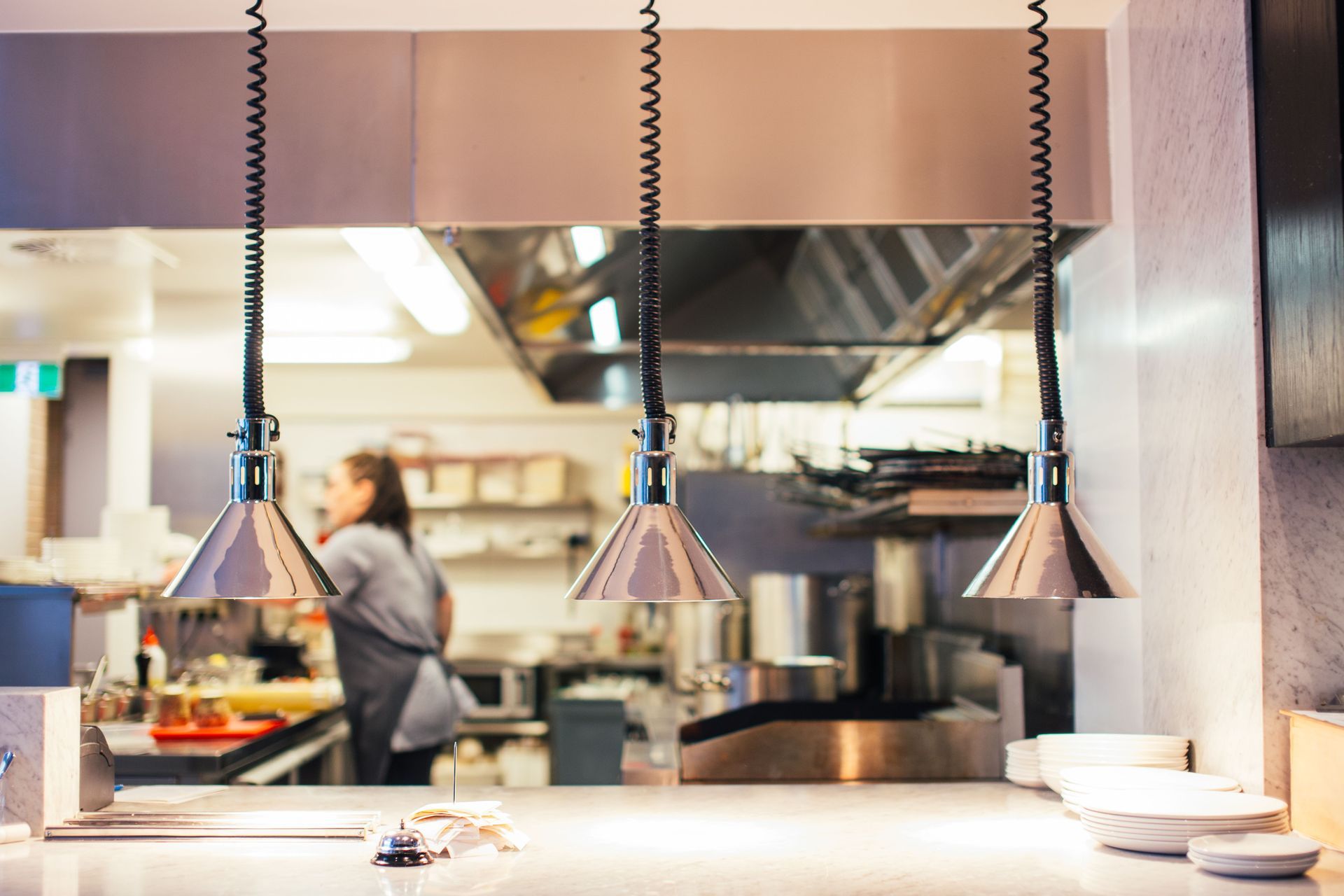
The layout of a restaurant is an obvious influential component of restaurant structure design. Having the right setup for your seating, service areas, filling stations, access to the expo areas, and dining room decorations can enhance your customers’ dining experience, and prevent difficult navigation for staff and customers. You also have to take care in creating clean and efficient spaces for your staff, such as bussing areas, hand sinks, expos, and kitchen access. Avoiding circuitous and inefficient organization of your seating and service station placements can make all the difference for your customers and your employees. It’s important to know how many customers you need to seat in order to profit, and ideally, try to double that number in the design. When planning your seating, it’s best to keep in mind areas of concern such as seats near the door where a draft might come in, close proximity to other tables, and if you can see into the kitchen or a cleaning station. Oftentimes these spots can dampen a dining experience so it’s best to avoid them when you can. Another factor to consider is the HVAC system in the building. You want to be sure smoke, heat, and odors from the kitchen are being ventilated properly, away from the customers. You also want to be certain that your heating and air conditioning are functioning properly, and that your customers can be kept warm when it is cold outdoors and kept cool in a busy dining area when the weather is hot.
Why Brewery Experience Matters in Design
Customer experience is a critical part of brewery design and can directly influence the success of your business. By prioritizing the guest experience, you can create a space that feels memorable, enjoyable, and worth returning to.
When designing your brewery, it is important to think about customer flow, seating arrangements, and overall ambiance. A well-designed space can improve satisfaction, strengthen the brand experience, and encourage repeat visits.
In addition to the physical environment, features such as tours, tastings, and interactive events can help create a stronger connection with guests.
In the end, maximizing your brewery’s design requires careful attention to brand identity, layout, sustainability, lighting, and customer experience. With the help of experienced brewery architects, you can create a space that supports your goals and keeps customers excited to return.
HDA Architects
Veterinary Portfolio
From general practice to specialty critical care — see how HDA designs veterinary environments that work as hard as the teams inside them.
✓ General & specialty clinics
✓ Critical care & emergency
✓ Floor plans & photography
Download Portfolio
Thank you for contacting us.
Here is your link to download our portfolio:
https://irp.cdn-website.com/2d294046/files/uploaded/HDA.PORTFOLIO_digital.pdf
Please try again later.
SHARE THIS
Latest Posts