Animal shelters play a crucial role in providing refuge, care, and a second chance for countless animals in need. These shelters serve as temporary homes until animals can be adopted into loving families. However, the journey from shelter to forever home is not always straightforward. That’s where the expertise of
animal shelter architects comes into play, transforming shelters into spaces that not only meet the needs of their occupants but also enhance their appeal to potential adopters.
Animal shelter design is more than just creating functional spaces; it’s about crafting environments that support the well-being of both animals and humans alike. By understanding the unique needs of shelter animals and employing innovative design strategies, animal shelter design architects can significantly increase adoption rates and improve the overall experience for both animals and visitors.
Understanding the Needs of Sheltered Animals
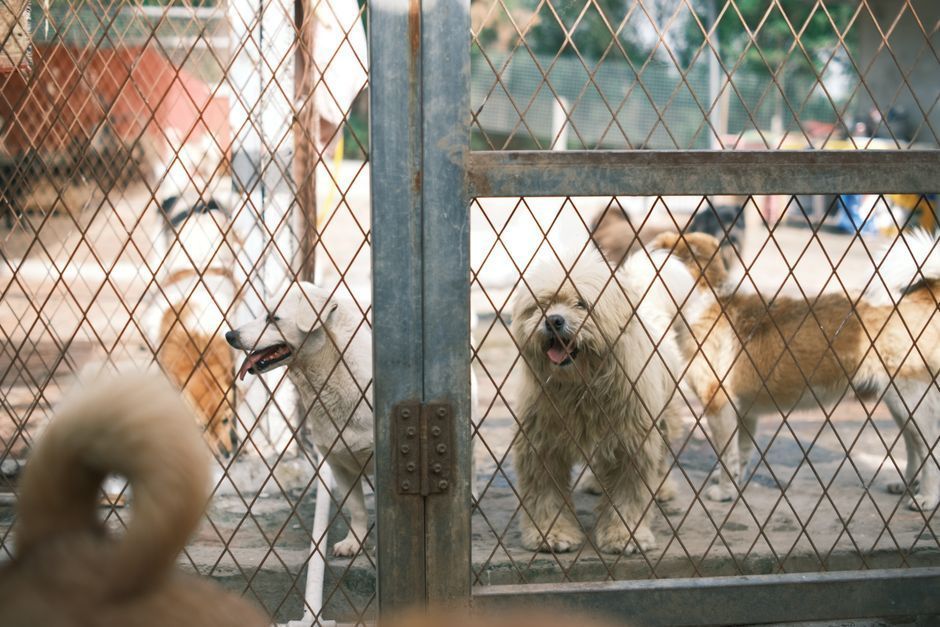
Animal shelter design begins with a deep understanding of the psychological and physical needs of the animals it serves. Shelters can be stressful environments for animals, who often experience fear, anxiety, and loneliness. Animal shelter design can play a vital role in addressing these challenges by creating spaces that promote comfort, security, and stimulation.
By incorporating features such as soundproofing, comfortable resting areas, and separate housing for different species, animal shelter architects can help alleviate stress and improve the well-being of sheltered animals. Thoughtful layout designs that minimize noise and visual stimuli can create a calmer environment, further enhancing the animals’ overall experience.
Creating a Welcoming Environment for Potential Adopters
First impressions matter, especially when it comes to animal adoption. The design of an animal shelter plays a significant part in creating visitors’ perceptions and ultimately influencing adoption rates. By creating welcoming and visually appealing spaces, shelters can attract potential adopters and encourage them to explore further.
Strategic design elements such as bright and airy interiors, welcoming reception areas, and clear signage can help create a positive first impression. Incorporating comfortable seating areas and interactive displays can engage visitors and encourage them to spend more time getting to know the animals.
A formal
facility needs assessment can help shelters identify the spatial, operational, and visitor-flow changes needed to improve both adoption outcomes and daily efficiency.
Maximizing Visibility and Interaction
Animal shelters often have limited space and resources, making it crucial to maximize the use of every square footage. We maximize visibility in kennels and cat rooms through the use of glass walls and open spaces, allowing shelters to showcase their furry residents and make it easier for visitors to connect with them. Open-air enclosures and communal play areas can provide opportunities for animals to socialize and engage with potential adopters, increasing the likelihood of successful adoptions.
Incorporating Flexibility and Adaptability
Flexibility is essential in animal shelter design, as shelters must be able to accommodate the diverse needs of their residents. By incorporating modular design elements and flexible layouts, shelters can easily adapt to changing populations and evolving requirements. For example, movable partitions and adjustable kennel configurations allow shelters to customize spaces based on the size, breed, and temperament of the animals in their care.
Prioritizing Health and Hygiene
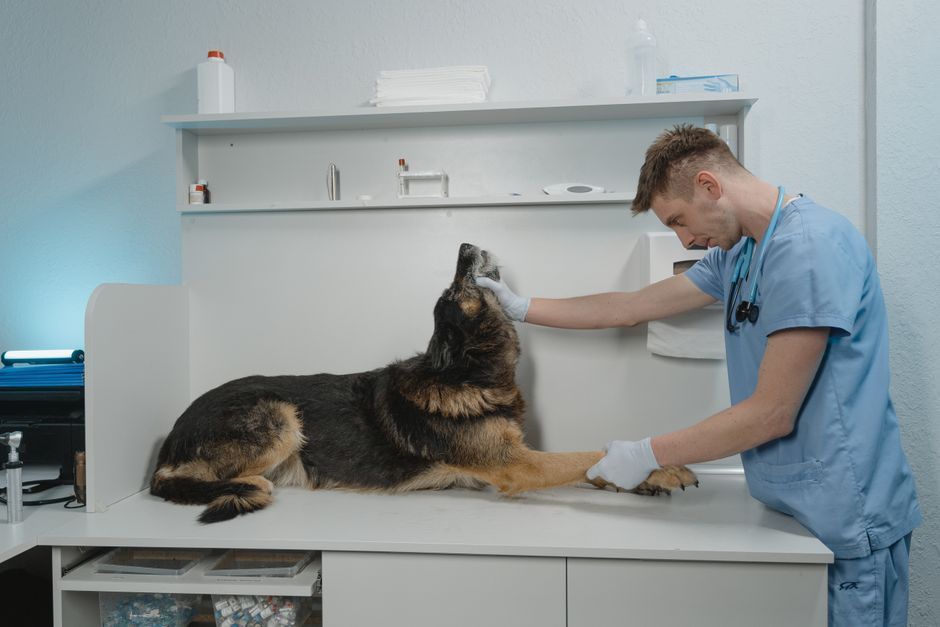
Maintaining a clean and healthy environment prevents the spread of disease and ensures the well-being of all residents and visitors. Animal shelter architects prioritize health and hygiene by designing spaces with easy-to-clean surfaces, efficient ventilation systems, and proper drainage. By incorporating separate quarantine areas and implementing strict cleaning protocols, animal shelter architects help minimize the risk of illness and maintain a safe environment for animals and staff alike.
Integrating Outdoor and Natural Elements
Natural light and outdoor spaces are essential for promoting animal health and well-being. By incorporating elements such as outdoor play areas and large windows, shelters can provide animals with access to sunlight, fresh air, and natural enrichment opportunities. Integrating natural materials and purposeful design principles can create a calming and healing environment for both animals and humans.
Fostering Community Involvement and Education
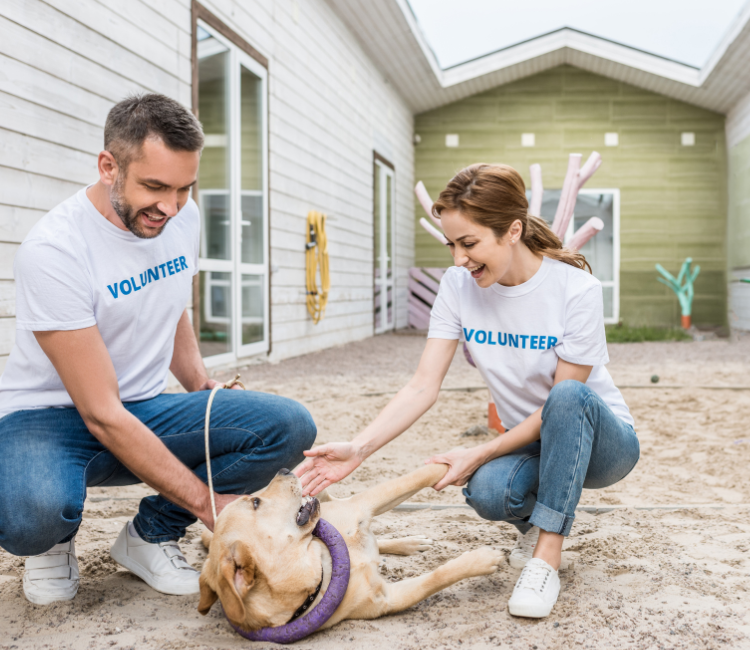
Animal shelters are more than just places for housing animals; they are community hubs that bring people together in support of a common cause. By designing spaces that encourage community involvement, such as event areas, and volunteer facilities, shelters can foster a sense of belonging and encourage ongoing engagement.
Reach Out for HDA Architects for Animal Shelter Design
As leaders in
animal shelter design and humane society architecture, HDA Architects understands the critical role that architecture plays in promoting animal adoption and improving shelter outcomes. With a focus on innovation, compassion, and sustainability, HDA Architects collaborates closely with shelters to create spaces that prioritize the well-being of animals while enhancing the overall adoption experience.
Contact us today to learn how our team can help transform your animal shelter into a welcoming and successful adoption center.