
How to Chill Out about a visit to the Vet.
Taking A New Look At Animal Hospital Design
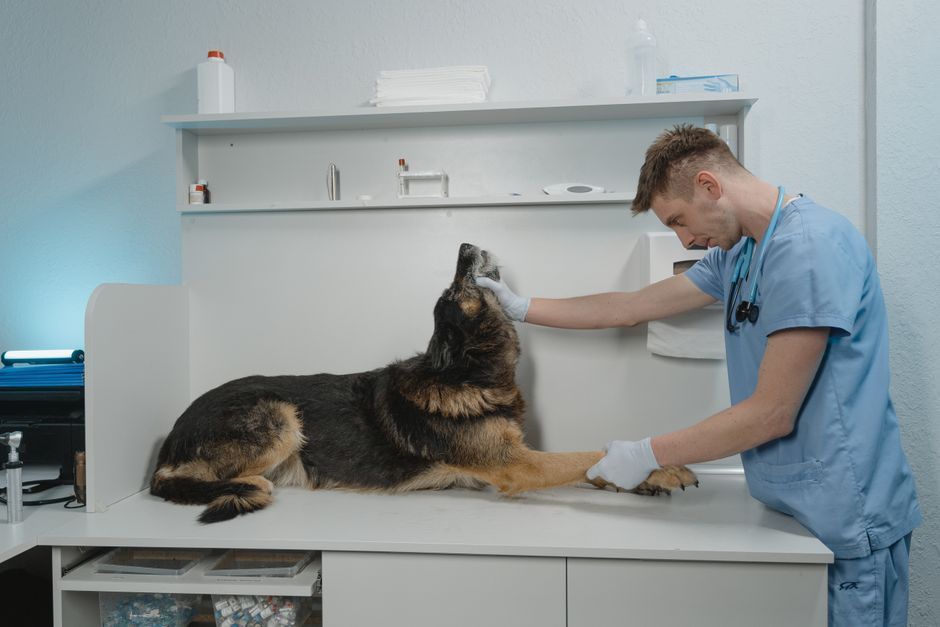
I believe the last statistic I heard was that more than 50% of pet owners believe their pets are somewhat or very stressed by visiting the veterinarian. That figure is actually lower than I expected. Fortunately, there has been a long-overdue shift in the practice of veterinary medicine. You may have heard of something called Fear Free, a program founded several years ago by Dr. Marty Becker that addresses all aspects of veterinary care. At its core, the program shines a spotlight on the emotional and behavioral well-being of animals, and thoughtful animal hospital design can play an important role in supporting that goal.
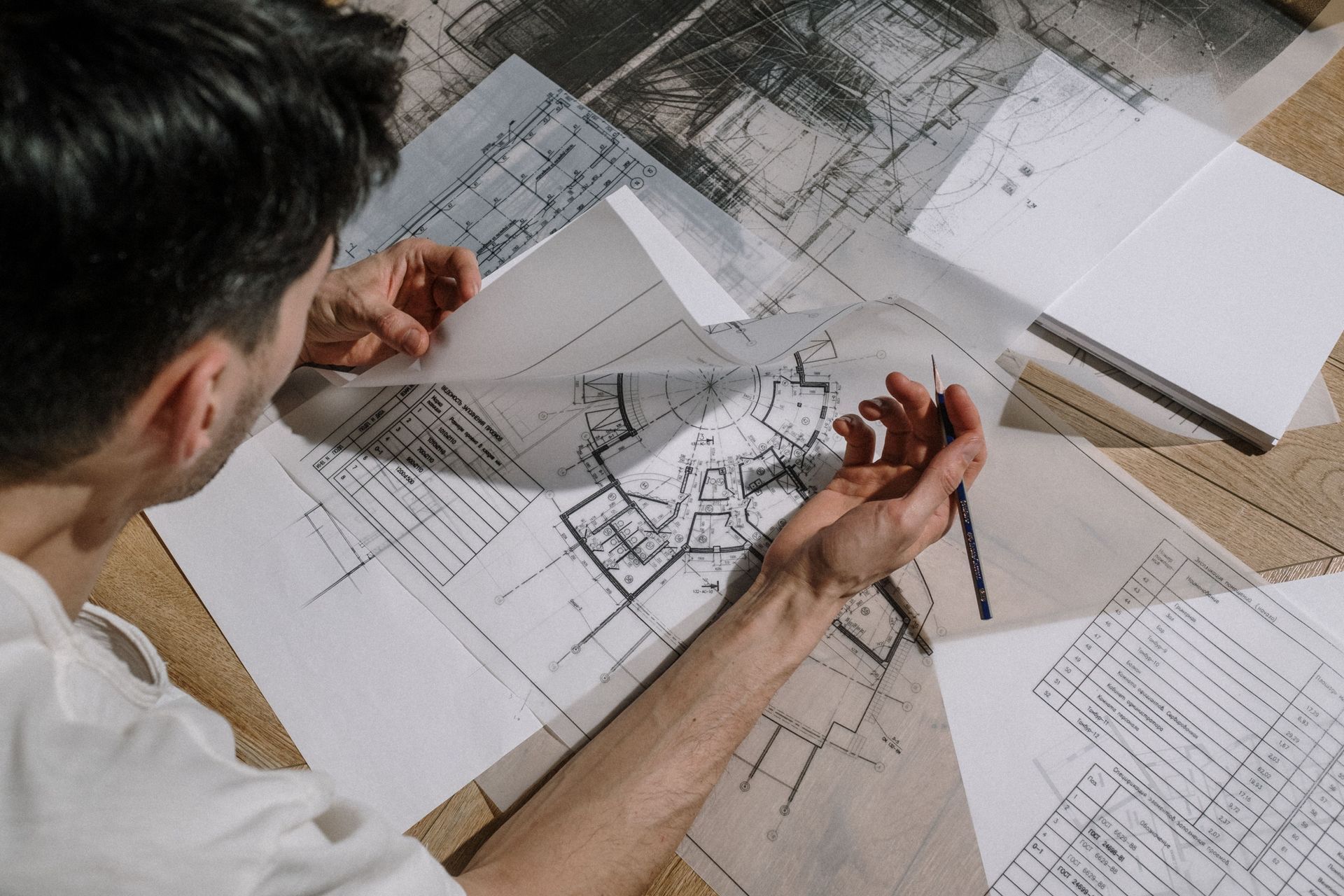
Many years ago studies in human recovery from injury or surgical procedures found that things like day lighting, sounds and music, and even smells experienced by the patient greatly influenced their anxiety levels and in turn their physical recovery. This inextricable link between healing and emotional response has been proven over and over again. It is no different with animals. As Veterinary Architects , Animal Hospital Designers and Shelter Designers we believe the facility design must start with this in mind. Although a complete list cannot be enumerated here, I would like to discuss the biggest and most effective ways to remove the fear, stress, and anxiety of animals while at the hospital.
Veterinary Architects Design Influence
It starts in the parking lot. COVID 19 has taught us that curb-side service is not only possible it can be very effective at eliminating the waiting room experience altogether. For those who still enter your building the old fashion way, we suggest having outside waiting as an option. Utilize a courtyard, or covered exterior space to allow pets and their owners to stay out of the waiting room until they are called. Possibly have outside exam or procedure areas and even allow clients to enter an exam room directly from the outside without going through the waiting area. Once inside, the facility should exude a calm and tranquil feeling. Everything the animal sees, hears, touches, and smells is within your control.
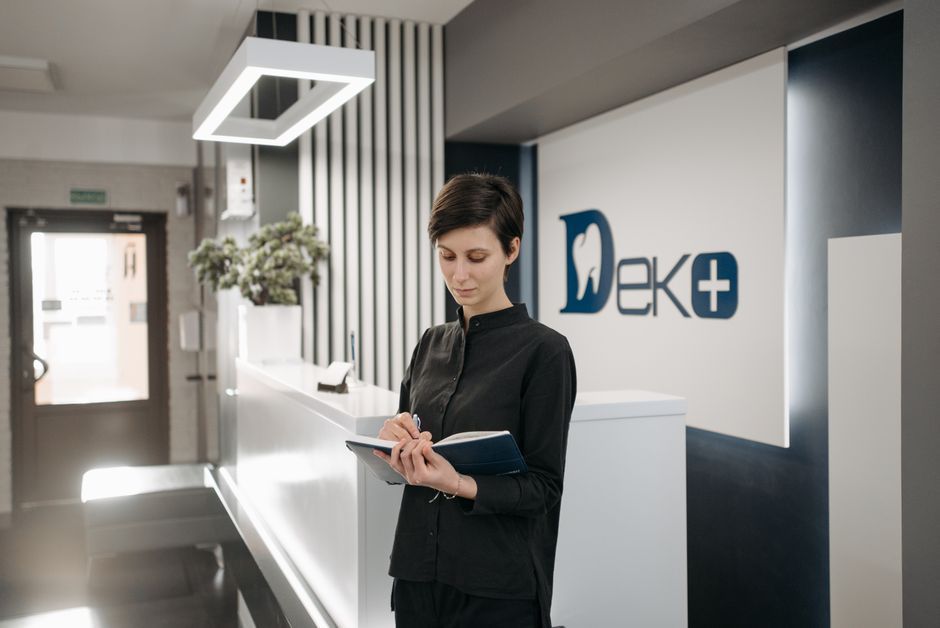
In the Lobby we create a focal point for an obvious and intuitive interaction between the humans. Next, we provide good segregation of the animals especially by species. We create special seating areas which control sight lines across the lobby and also mitigate sounds. On the cat side we may put in a climbing area, or a fish tank. Including a high stable platform for the cat carrier is far more to their liking than to be put on the floor.
Reducing Anxiety And Stress Triggers With Design
Animals smell and hear far better than we do so easily cleanable anti-microbial finishes and tactile non-slippery floors are a must. A quiet hospital is definitely a lower stress environment. Building the Veterinary Clinic so we compartmentalize and isolate sounds, vibrations and or high pitched noises is very important. This is accomplished with the wall design, equipment locations, and lighting selection.
Day lighting is one of the strongest ways to maintain a connection between the animals and the natural environment. There are many clever ways to do this even in interior rooms. In addition to lighting, color selection can have either an alarming or calming effect. Stark, bright whites and reds are warning signs in nature. Softer pastel colors take away the warning and sooth the animals.
Designing for Calm, Comfort, and Better Care
This philosophy carries through every part of a veterinary hospital’s design. That includes exam and procedure areas, where sights, sounds, and surfaces can be especially stressful for animals. Boarding and activity areas also need to be carefully planned to support comfort and reduce anxiety.
The goal is to eliminate as many triggers for fear, stress, and discomfort as possible. Animals have a strong innate connection to nature, and when designing a state-of-the-art animal hospital, reinforcing those natural connections can help them feel safer and more at ease. When we view veterinary environments through the eyes of our pets, we gain a clearer understanding of the best practices for compassionate care.
HDA Architects
Veterinary Portfolio
From general practice to specialty critical care — see how HDA designs veterinary environments that work as hard as the teams inside them.
✓ General & specialty clinics
✓ Critical care & emergency
✓ Floor plans & photography
Download Portfolio
Thank you for contacting us.
Here is your link to download our portfolio:
https://irp.cdn-website.com/2d294046/files/uploaded/HDA.PORTFOLIO_digital.pdf
Please try again later.
SHARE THIS
Latest Posts