What Are the Future Trends of Architecture Design
Architecture is constantly evolving, shaped by technological advancements, cultural shifts, and a growing emphasis on sustainability and functionality. As we move into the coming year, several trends are poised to redefine the way spaces are designed and experienced. This article explores those ideas, drawing on insights from HDA Architects and the firm’s innovative commercial architectural design services
Embracing Sustainability and Eco-Friendly Designs
One of the most significant architecture trends is the increasing focus on sustainability. Architects are moving towards eco-friendly materials and energy-efficient designs. Buildings are expected to not only minimize their environmental footprint but also contribute positively to their surroundings. This includes the integration of passive solar designs, alternative energy systems, rainwater capture, and the use of recycled materials. Building these features into the design of the new buildings doesn’t always cost more, and it will benefit the users and the building owners.
The Rise of Smart Buildings
Technology continues to play a pivotal role in architect design. Smart buildings, equipped with advanced sensors and IoT (Internet of Things) technologies, are becoming more prevalent. These buildings offer enhanced efficiency, comfort, and safety, adapting to the needs of their occupants in real time. The integration of AI and machine learning algorithms further allows for predictive maintenance and energy management. Implementation of these systems will be slow over the next decade and will have a high price tag for early adopters, but will soon be ubiquitous.
Blending Functionality with Aesthetics
The line between functionality and aesthetics in architectural commercial designs is becoming increasingly blurred. Architects are creating spaces that are not only visually appealing but also highly functional, adaptable, and green. This architecture trend is evident in multi-purpose spaces that can transform based on the needs of the users, offering a blend of work, leisure, and living spaces.
Biophilic Design: Connecting with Nature
Biophilic design, which seeks to connect building occupants more closely to nature, is gaining momentum. This approach incorporates natural lighting, ventilation, and landscape features, creating a harmonious balance between the built and natural environments. Engineered wood frame structures and natural building materials like local stone and terra cotta are great choices. It’s not just about aesthetics; it’s about enhancing the well-being and productivity of the occupants.
Modular and Prefabricated Construction
The shift towards modular and prefabricated construction methods is a game-changer in the architectural world. These innovative approaches not only offer faster and more cost-effective building processes but also contribute to reducing waste and minimizing environmental impact. By the end of the decade, we can anticipate a significant rise in the number of buildings being constructed off-site and subsequently assembled on location, which will revolutionize the traditional construction process as we know it. This transformation will pave the way for increased efficiency, improved sustainability, and greater flexibility in architectural design and development.
Focus on Community and Shared Spaces
The concept of community is becoming increasingly central to new architectural projects. As we look ahead to new architecture trends, we can expect to see a surge in designs that not only prioritize functionality but also foster community interaction and connectivity by creating a campus project. It has become rare that we just design a single building for a client. This will be achieved through the incorporation of various elements, such as thoughtfully designed communal areas for residents to gather and socialize, shared workspaces that encourage collaboration and creativity, and well-planned public spaces that serve as focal points for community events and activities. By creating such environments, architects aim to build a strong sense of community, where individuals can connect, engage, and thrive together.
Adaptive Reuse and Renovation
As urban spaces become increasingly crowded, the architecture trend of adaptive reuse is gaining momentum. This practice involves repurposing old buildings, giving them new life and functionality while preserving their historical value. By adopting this approach, we not only honor the past but also embrace a sustainable future. By reimagining and transforming existing structures, we reduce the demand for new construction materials and minimize waste generation, contributing to a more environmentally conscious society. This shift towards adaptive reuse not only benefits the community by revitalizing neglected spaces but also promotes a more sustainable and responsible approach to urban development.
Personalization and User-Centric Design
Personalization is key in modern architectural design. Buildings are increasingly designed with the end-user in mind, offering customizable spaces that can be adapted to individual preferences and needs. This trend is particularly evident in residential and commercial spaces, where user comfort and experience are paramount.
Wellness-Focused Design for Better Care
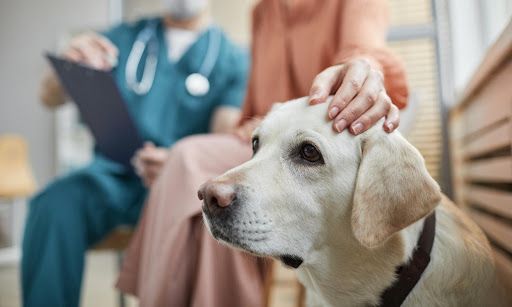
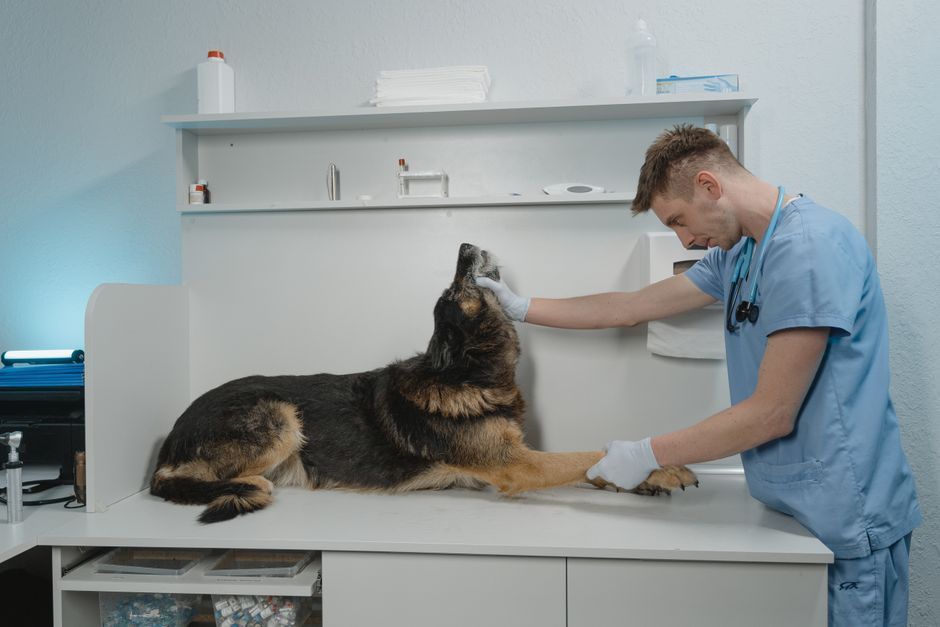
At HDA Architects, our commitment to designing for wellness sets us apart. As a trusted medical facility architect firm, our portfolio of hospitals, specialty clinics, private practices, dental offices, veterinary clinics, and other wellness-focused facilities shares a common goal: creating environments that nurture healing, ease discomfort, and support the well-being of everyone inside.
With services offered across the South, HDA Architects brings this patient-centered approach to every community we serve. If you are searching for a medical facility architect who can bring your office to life and support healing, contact HDA Architects today. We look forward to helping you achieve your design goals.
HDA Architects
Veterinary Portfolio
From general practice to specialty critical care — see how HDA designs veterinary environments that work as hard as the teams inside them.
✓ General & specialty clinics
✓ Critical care & emergency
✓ Floor plans & photography
Download Portfolio
Thank you for contacting us.
Here is your link to download our portfolio:
https://irp.cdn-website.com/2d294046/files/uploaded/HDA.PORTFOLIO_digital.pdf
Please try again later.
SHARE THIS
Latest Posts